
Call us now :08045800413
 Send Inquiry
Aluminium Window
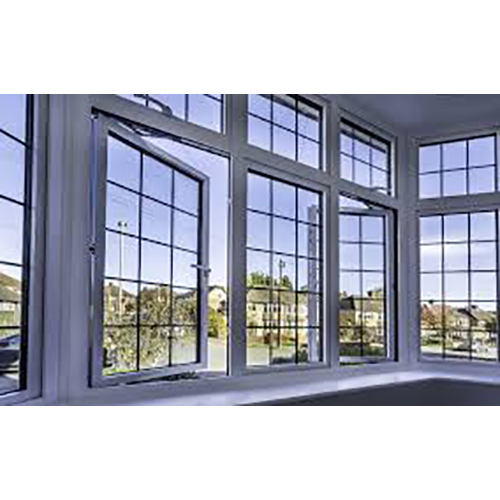

Aluminium Window Specification
- Glass Type
- tufeen glass
- Thickness
- 1.5 Millimeter (mm)
- Height
- 5 Foot (ft)
- Load Capacity
- 300 Kilograms (kg)
- Width
- 2.5 Foot (ft)
- Glass Thickness
- 5 Millimeter (mm)
- Material
- Aluminum
- Screen Netting Material
- Other
- Size
- 4*3
- Weight
- 250 Kilograms (kg)
- Color
- any color
- Window Type
- Sliding Window
- Installation Type
- Screw In
Aluminium Window Trade Information
- Minimum Order Quantity
- 10 Kilograms
- FOB Port
- mundra poret
- Payment Terms
- Cash in Advance (CID)
- Delivery Time
- 2 Days
- Sample Available
- No
- Sample Policy
- Contact us for information regarding our sample policy
- Main Export Market(s)
- Australia, Eastern Europe, North America
- Main Domestic Market
- Gujarat, Maharashtra, Goa
About Aluminium Window
An aluminum window system is generally composed of three main elements:
-
The Frame: Extruded aluminum alloy profiles, often treated with powder coating or anodization for color and corrosion resistance.
-
The Glazing: Single, double, or triple-pane glass. Most modern units use Low-E (low-emissivity) glass to improve thermal performance.
-
Thermal Break: A reinforced polyamide bar positioned between the inner and outer aluminum profiles to prevent heat transfer (essential for energy efficiency).
Key Features & Benefits
| Feature | Description |
| Slim Sightlines | Because aluminum is strong, the frames can be much thinner than PVC or wood, maximizing the view. |
| Durability | Resistant to warping, rotting, and swelling. It handles extreme weather conditions without degrading. |
| Customization | Available in hundreds of RAL colors via powder coating. Can be finished with metallic or wood-grain textures. |
| Eco-Friendly | Aluminum is 100% recyclable. Using recycled aluminum requires only 5% of the energy used to create the original metal. |
Common Window Types
Aluminum is versatile enough to be used in almost any configuration:
-
Casement: Hinged at the side and opens outward like a door.
-
Sliding: Panels slide horizontally; ideal for spaces where an outward-opening window would be an obstruction.
-
Tilt & Turn: A versatile European style that can tilt inwards for ventilation or swing open for cleaning.
-
Bi-fold: Multiple panels that fold back against each other to create wide, seamless openings.
Performance Considerations
While older aluminum windows were known for being "cold," modern engineering has solved this through thermal break technology. This creates a barrier that stops the "bridge" of cold air from the outside reaching the inside of the home.
Pro Tip: When selecting aluminum windows, always check the U-value. A lower U-value indicates better insulation and higher energy efficiency.
Enhanced Durability and Strength
Crafted from high-quality aluminum and tufeen glass, this sliding window offers remarkable resistance to impact and daily wear. With a 1.5 mm frame thickness and a 5 mm glass panel, it promises lasting durability and reliable protection while supporting loads up to 300 kg. These robust features make it ideal for both residential and commercial installations.
Flexible Design and Color Options
This window fits seamlessly into varying spaces, thanks to its 4x3 feet size and 2.5 feet width. The option to customize color allows it to match any decor. Designed as a sliding window, it saves space and offers smooth operation, enhancing both style and convenience in any setting.
Effortless Installation and Maintenance
The window is designed for screw-in installation, ensuring a secure fit while allowing for straightforward setup. Aluminum construction keeps maintenance minimal, requiring only periodic cleaning to retain its finish and clarity. Tufeen glass further enhances safety, making it suitable for areas with high usage.
FAQ's of Aluminium Window:
Q: How is the aluminium sliding window installed?
A: This sliding window is installed using a screw-in process, which provides a stable and secure attachment to the wall or frame. Professional installation is recommended to ensure proper fitting and optimal operation.Q: What are the benefits of using tufeen glass in this window?
A: Tufeen glass is known for its strength and safety features. It offers resistance to impacts and thermal stress, making the window safer and more durable for both residential and commercial environments.Q: When is it ideal to choose this aluminium window model?
A: This aluminium sliding window is ideal for new builds or renovations in homes, offices, or retail spaces where strength, style, and ease of operation are key requirements. Its sizable load capacity and low-maintenance materials make it a reliable option.Q: Where can the window be customized in terms of color and size?
A: The window is available through Indian distributors, manufacturers, service providers, importers, suppliers, and traders. Custom color options can be requested at the time of order to suit specific project requirements.Q: What is the process for ordering and receiving the window in India?
A: Simply contact your preferred local distributor, supplier, or manufacturer in India. They will guide you through the selection, customization, ordering, and installation process as per your project's needs.Q: How should the aluminium window be maintained for longevity?
A: Maintenance is straightforward-periodically clean the glass and frame with mild detergents and check the sliding mechanism for debris or wear to ensure smooth operation and long-lasting performance.Q: What is the main usage and advantage of this sliding window type?
A: Sliding windows maximize space efficiency while providing ample natural light and ventilation. The use of aluminum and tufeen glass delivers superior durability, making the window suitable for both interior and exterior applications.Tell us about your requirement

Price:
Quantity
Select Unit
- 50
- 100
- 200
- 250
- 500
- 1000+
Additional detail
Mobile number
Email

More Products in Aluminium Window Category
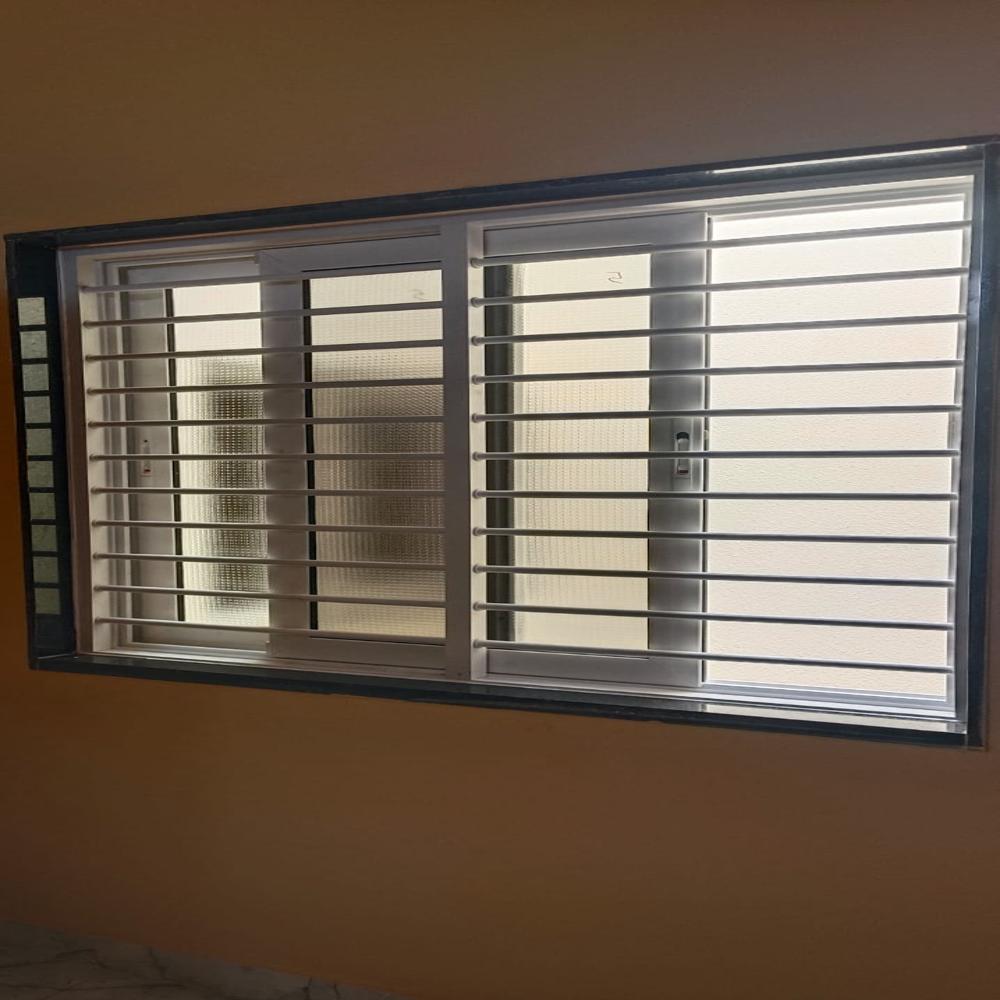
Aluminium Section Window
Price 800.0 INR / Foot
Minimum Order Quantity : 100 Feet
Installation Type : Screw In
Capacity : 2000 Kg
Width : 5 Millimeter (mm)
Weight : 400 Kilograms (kg)

 Send Inquiry

608, Possible Triangle, Opp. Sankar Sanidhya, Mavdi Bypass Road,Rajkot - 360002, Gujarat, India

Mr. Bharat
(Proprietor)
Mobile :08045800413
 Send Inquiry
 Send SMS
Developed and Managed by Infocom Network Private Limited.
